
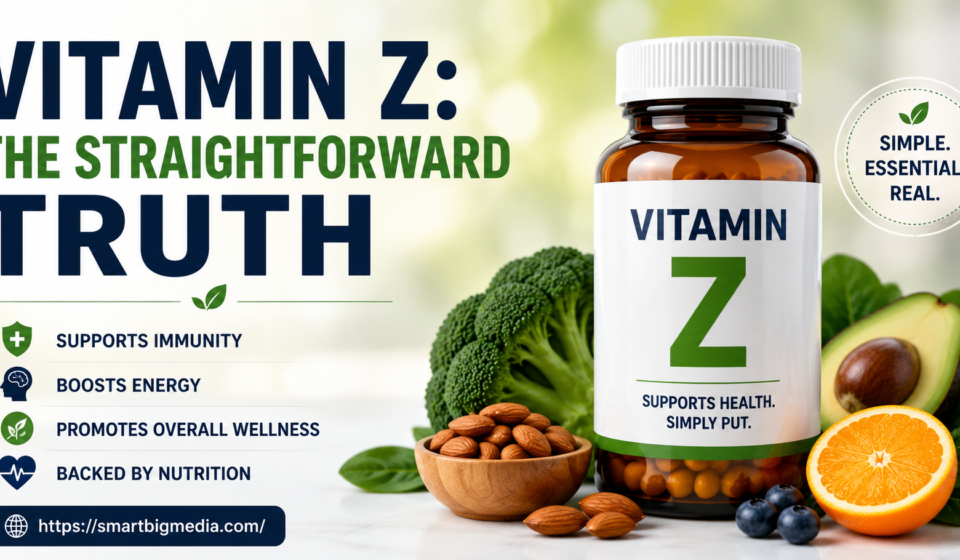
Vitamin Z Is Not a Real Nutrient
Nothing there. No chemical structure, no deficiency disease, no classification anywhere in science. If something mentions it, that claim has nothing underneath it — worth treating the same skeptical way you’d treat any unverified health claim online.
Why the Last Letters of the Alphabet Were Never Used
Names got assigned in discovery order, not according to some tidy alphabetical march toward Z. Back in the early 1900s, researchers started isolating compounds tied to specific deficiency conditions — vitamin C paired with scurvy, vitamin D with rickets, that kind of pattern. The list kept growing, and along the way some letters even got reassigned; a few of the early “B vitamins” turned out to be entirely separate compounds, which is why we ended up with B1, B2, B3, B6, B7, B9, and B12 instead of one single B. By the time the full picture existed, the list just stopped. Nothing left in the early letters, and X, Y, Z never got reached at all.
Where Terms Like “Vitamin Z” Tend to Come From
Two reasons, usually. Content built purely to catch search traffic, accuracy treated as an afterthought — that’s one. Genuine confusion is the other, and it’s understandable, especially for people newer to nutrition who assume the vitamin alphabet works like something clean and complete, running end to end.
What Real Nutrients Might Be Worth Looking Into Instead
Something specific probably brought you here — low energy, weak immunity, skin trouble. Worth redirecting toward things with actual research behind them. Vitamin D for immune function and bone health. B12 for energy and nerves. Vitamin C for immune defense. And zinc, a mineral rather than a vitamin, easy to confuse with “vitamin Z” purely because of the shared letter, but genuinely important for immunity and wound healing.
The Bottom Line
Vitamin Z doesn’t exist, and nothing reliable claims otherwise. Whatever led you to search it, there’s almost certainly a real answer underneath — zinc, vitamin D, B12 — actually worth your attention instead.



[…] predicted it would become the cultural monster it turned into. And there’s Winona Ryder, playing Joyce, the frantic mom trying to save her son, and suddenly she’s back at the center of things. Not […]
[…] gets used loosely for anything from a suitcase with one USB port bolted onto the side, all the way up to genuinely sophisticated bags with GPS tracking, digital […]