
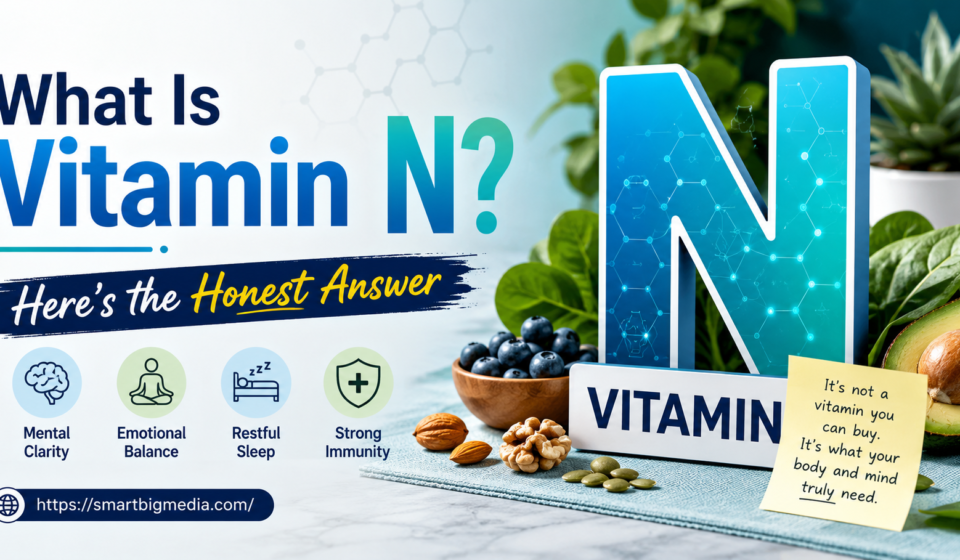
There Is No Recognized “Vitamin N”
Doesn’t exist. Not in a textbook, not in any recognized classification system, not anywhere in peer-reviewed research. And it’s a slightly different case from vitamin F or vitamin G, both of which had a legitimate name at some point before science moved past them. Vitamin N never had that starting point. No old paper to trace it back to, nothing. It’s just absent from the record entirely.
Where the Confusion Likely Comes From
Niacin’s the likely culprit. Same first letter, similar sound, and niacin already carries a second name of its own — vitamin B3 — so mix-ups happen easily enough, particularly in content nobody bothered to fact-check closely. Seen “vitamin N” attached to claims about energy or skin somewhere online? Good chance the writer meant niacin and just landed on the wrong letter.
What Niacin (Vitamin B3) Actually Does
Since niacin is probably the real answer here, it’s worth covering properly. One of the eight B-complex vitamins, its central job is converting food into energy your cells can actually use — carbs, fats, protein, all of it running through processes niacin helps drive.
It supports nervous system function too, keeping nerve signaling healthy. Skin health ties in as well; historically, a lack of niacin caused pellagra, a condition marked by dermatitis, diarrhea, and in severe cases, cognitive decline. And cholesterol comes up in the research — higher doses have been studied for their effect on lipid levels. However, that’s something to pursue only under a doctor’s supervision, since side effects can appear at those levels.
Food Sources of Niacin
Chicken, turkey, tuna, salmon, peanuts, mushrooms, brown rice — it’s in a lot of everyday food. Most people meet their needs without ever thinking about it, and the body can even produce small amounts on its own from tryptophan, an amino acid found in protein-rich foods.
The Bottom Line
Vitamin N isn’t a real nutrient. But niacin, vitamin B3, almost certainly is what brought you here, and it’s genuinely important for energy, nerves, and skin health.

[…] such thing. Never has been. It’s absent from every credible medical source out there, never tied to any actual compound, and any page claiming otherwise was almost […]
[…] science. If something mentions it, that claim has nothing underneath it — worth treating the same skeptical way you’d treat any unverified health claim […]