
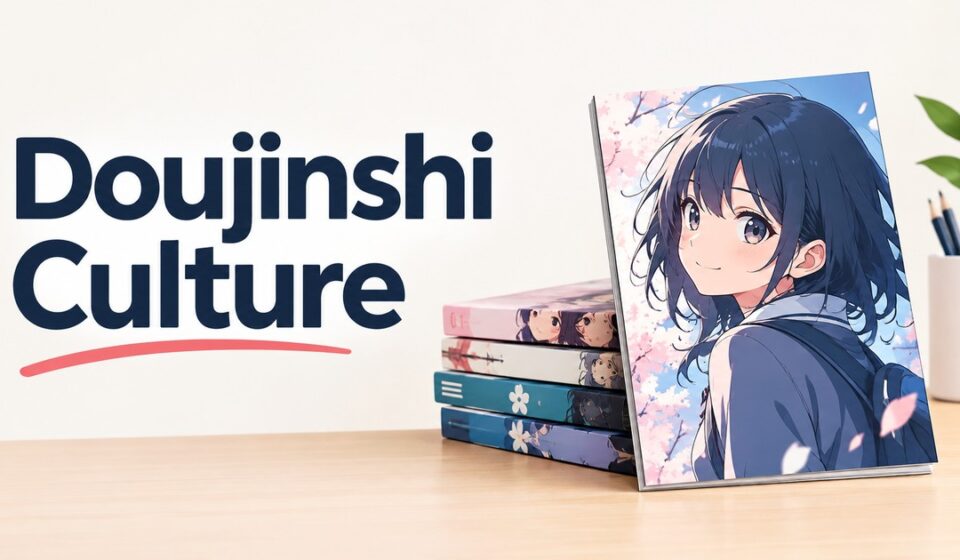
Doujinshi culture refers to the community and creative movement built around self-published comics in Japan. These works are typically made by fans, hobbyists, or independent artists rather than major publishing houses. Over the decades, doujinshi culture has grown into one of the most influential grassroots creative movements in the country.
What Is Doujinshi Culture?
At its core, doujinshi culture centers on self-publishing. Creators write, draw, print, and distribute their own comics without relying on a traditional publisher. Because of this independence, doujinshi culture allows artists far more creative freedom than mainstream commercial manga.
Many doujinshi are based on existing anime, manga, or video game characters. Others are entirely original stories. Either way, the culture values personal expression and experimentation over mass-market appeal.
Origins of Doujinshi Culture
The roots of doujinshi culture trace back to small fan circles in the 1970s. Groups of enthusiasts began printing and trading their own comics at local gatherings. As interest grew, these gatherings evolved into larger organized events.
Over time, doujinshi culture expanded alongside Japan’s broader manga and anime industries. Today, it exists as a parallel creative ecosystem that both draws from and feeds back into mainstream media.
How Doujinshi Culture Works
Doujinshi culture operates through small, independent production. A single artist, or a small group known as a “circle,” typically handles writing, illustration, printing, and sales.
Creating and Printing
Most doujinshi are produced in limited runs using local print shops that specialize in small-batch comic printing. Because print runs are often small, doujinshi culture supports a wide variety of niche stories and art styles that larger publishers might avoid.
Distribution and Conventions
Conventions play a central role in doujinshi culture. Comiket, held in Tokyo, is the largest and most well-known event, drawing hundreds of thousands of attendees. Similarly, smaller regional conventions across Japan give circles a chance to sell directly to readers.
In addition to physical events, online marketplaces have made doujinshi more accessible. As a result, creators can now reach fans outside of Japan as well.
Types of Doujinshi
Doujinshi culture includes several broad categories of work.
- Derivative works — Stories, artwork, or comics based on existing anime, manga, or game franchises.
- Original works—Entirely new stories and characters created by the artist.
- Fan guides and analysis books—non-fiction doujinshi covering game strategies, art techniques, or critical essays.
- Art books—Collections of illustrations centered on a particular theme or character.
Because the scene is so decentralized, doujinshi culture supports an unusually broad range of genres, tones, and art styles.
Why Doujinshi Culture Matters
Doujinshi culture has shaped the broader manga and anime industry in several important ways.
A Training Ground for Professional Artists
Many professional manga artists and illustrators got their start creating doujinshi. The format lets aspiring creators build a portfolio, develop a personal style, and gain an audience before entering the commercial industry.
Creative Freedom
Because doujinshi culture exists outside traditional publishing constraints, creators can explore unconventional narratives, art styles, and formats. Therefore, the scene often serves as a testing ground for ideas that later influence mainstream manga.
Community Building
Doujinshi culture also fosters strong fan communities. Conventions and circles create spaces where readers and creators interact directly, something less common in traditional publishing.
Important Considerations
Doujinshi culture operates in a legal gray area when it comes to derivative works based on copyrighted characters. Many original rights holders tolerate fan works as a form of promotion, but this arrangement is informal and varies by franchise.
Because of this, doujinshi creators generally follow unwritten community norms, such as avoiding direct commercial competition with the original work. Understanding these norms is an important part of participating in doujinshi culture responsibly.
Frequently Asked Questions
What does “doujinshi” mean? “Doujinshi” refers to self-published, often fan-made comics or magazines created independently of major publishers in Japan.
Is doujinshi culture only about fan works? No. While many doujinshi are based on existing franchises, doujinshi culture also includes fully original stories, art books, and non-fiction works.
Where can I find doujinshi? Doujinshi are commonly sold at conventions like Comiket, at specialty shops in Japan, and increasingly through online marketplaces.
Is doujinshi culture legal? Derivative doujinshi exist in a gray area of copyright law. Many rights holders informally tolerate fan works, though the practice isn’t formally licensed.
How is doujinshi different from mainstream manga? Mainstream manga is typically produced and distributed by commercial publishers, while doujinshi culture relies on independent, self-funded creation and small-scale distribution.
Can anyone participate in doujinshi culture? Yes. Doujinshi culture is open to hobbyists and professionals alike, with many creators starting as amateurs before building a following.
What is Comiket? Comiket is the largest doujinshi convention in the world, held twice a year in Tokyo, where thousands of circles sell their self-published works directly to fans.
Conclusion
Doujinshi culture represents a unique, fan-driven side of Japan’s comic and creative industries. Built on independent publishing, community events, and creative freedom, it has produced generations of artists and a rich variety of stories. Whether derivative or original, doujinshi continues to reflect the passion and creativity of its community.